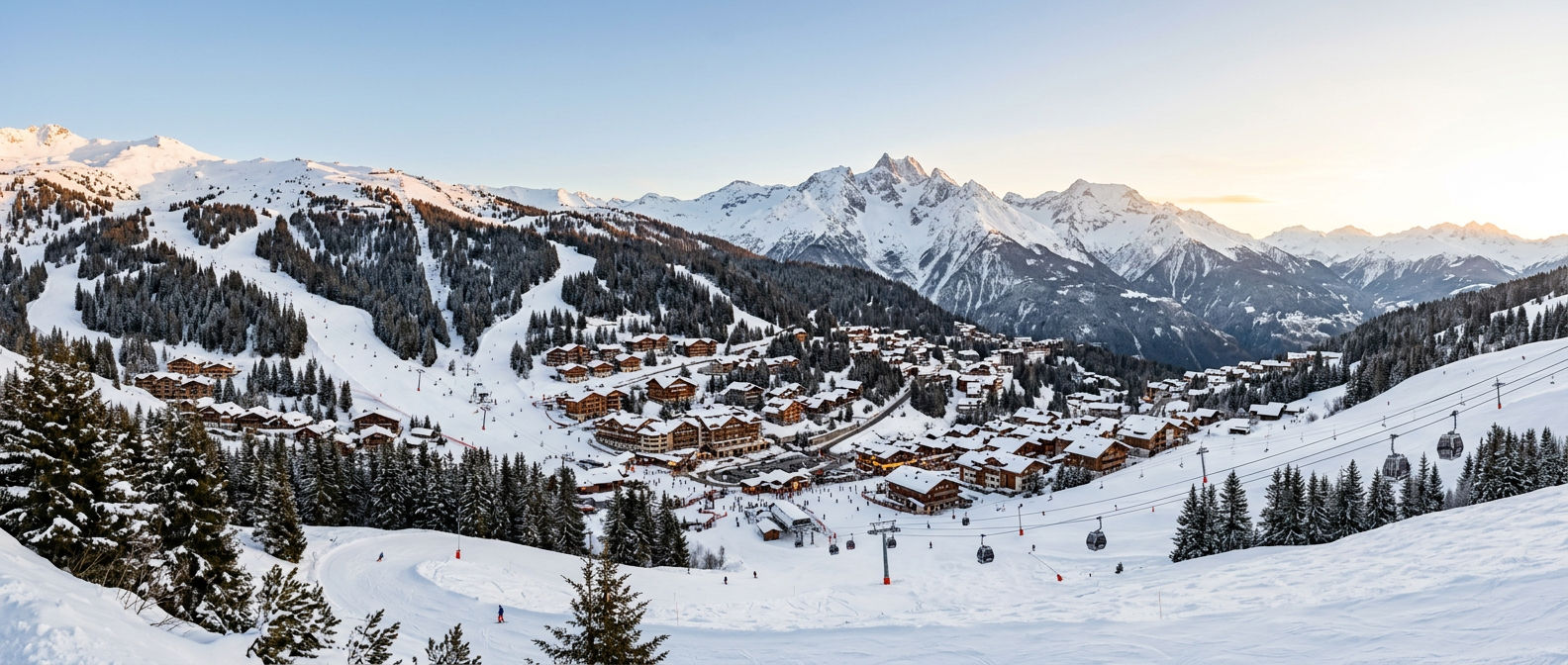
Apres Ski Meaning: What It Is, How to Pronounce It, and Where to Find the Best
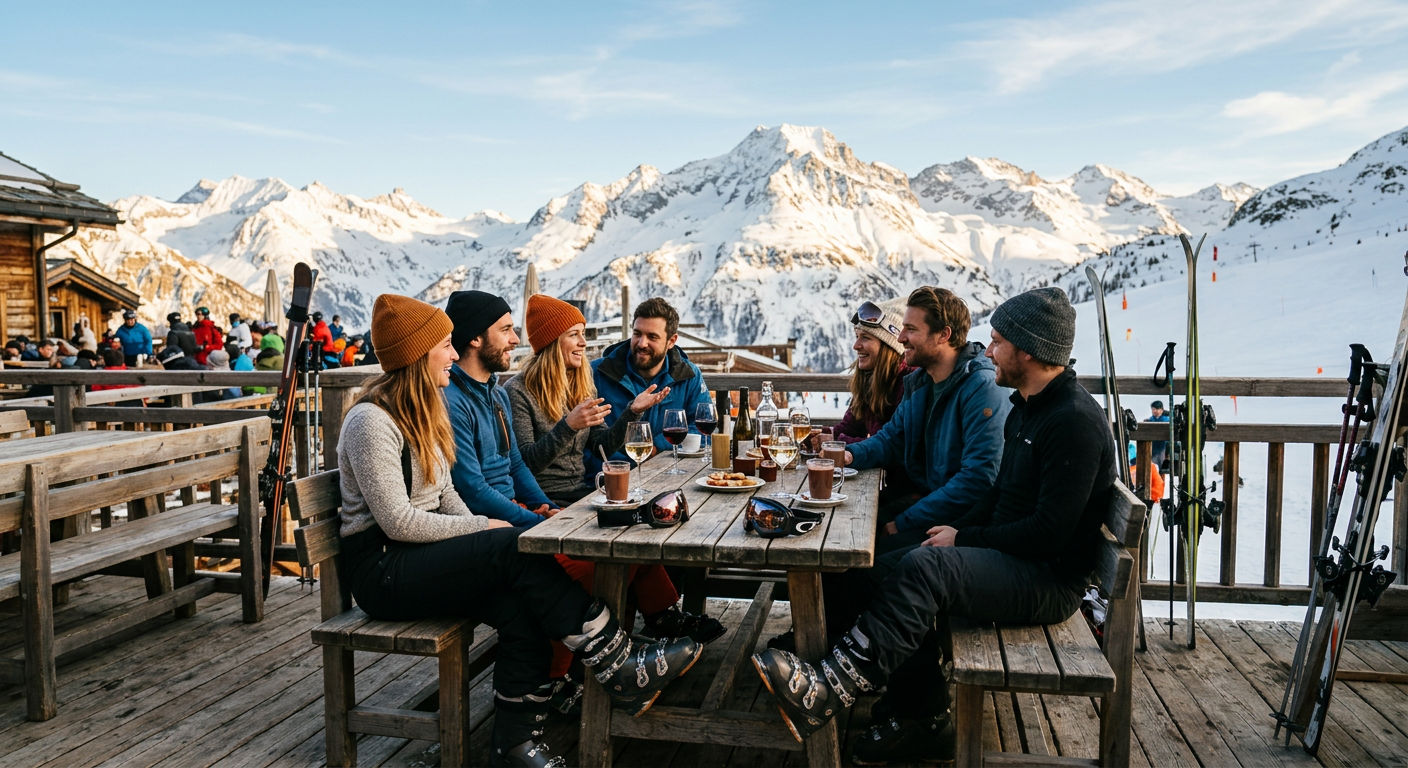
Apres ski — pronounced "ah-PRAY skee" — is the French term for the social traditions that follow a day of skiing. It translates literally to "after skiing," but the phrase describes something far richer than its translation suggests: the collective ritual of unwinding over drinks, food, music, and conversation that has become as central to the ski experience as the skiing itself. In the best ski towns, apres ski is not an afterthought — it is the reason many people book the trip.
The tradition originated in the Austrian and Swiss Alps in the mid-twentieth century and has since evolved into distinct regional styles. A terrace in St. Anton looks and sounds nothing like a wine bar in Courchevel or a craft brewery in Park City. Understanding what apres ski means — and where it takes its most compelling forms — adds a dimension to any ski holiday that the piste map alone cannot provide.
What Does Apres Ski Mean?
Apres ski refers to the social activities, dining, and entertainment that take place after the day's skiing ends, typically beginning when the lifts close in the late afternoon and extending into the evening. The term encompasses everything from a single glass of vin chaud on a sun-warmed terrace to a full evening of dinner, live music, and dancing in ski boots.
The concept originated in Alpine Europe, where the skiing day has traditionally ended earlier than in North America — often by 4pm. This created a natural window between the last run and dinner, and the culture that filled it became its own institution. In Austrian resorts like St. Anton and Ischgl, apres ski is as formally structured as the ski school. In French resorts like Courchevel and Meribel, it takes a more refined, gastronomic form.
| Apres Ski Element | Description | Where It's Strongest |
|---|---|---|
| Terrace drinks | Outdoor bars at the base or mid-mountain, often with DJs | Austria (St. Anton, Ischgl) |
| Wine and cheese | Intimate bars serving regional wines and raclette | France (Megeve, Courchevel) |
| Craft beer and cocktails | Brewery taprooms and cocktail lounges | North America (Aspen, Whistler) |
| Live music | Bands, DJs, and traditional folk musicians | Austria and Switzerland |
| Spa and wellness | Hot tubs, saunas, and thermal baths | Switzerland (Zermatt, Verbier) |
| Fine dining | Multi-course dinners at Michelin-level restaurants | France and Switzerland |
Apres Ski vs. Nightlife
An important distinction: apres ski and nightlife overlap but are not the same. Apres ski begins immediately after skiing — typically between 3pm and 6pm — and carries a specific atmosphere tied to the day on the mountain. There is boot-stomping, sun-warmed skin, and the particular camaraderie of people who have shared the same conditions. Nightlife, by contrast, starts later and is indistinguishable from nightlife anywhere else. The best ski towns maintain a clear boundary between the two.
How to Pronounce Apres Ski
Apres ski is pronounced "ah-PRAY skee" — three syllables with the stress on the second. The French word "apres" rhymes with "pray" with a soft "ah" at the start. The "s" at the end of "apres" is silent, as is standard in French. "Ski" is pronounced identically to the English word.
Common mispronunciations include "APP-ray ski" (incorrect stress on the first syllable) and "ah-PRESS ski" (pronouncing the silent "s"). In casual English conversation, a slight anglicisation is perfectly acceptable — the pronunciation does not need to be theatrically French.
The accent on the "e" (apres) is technically an accent grave in French, indicating the open pronunciation of the vowel. In written English, the accent is frequently omitted without confusion. Both "apres ski" and "apres-ski" (hyphenated) appear in standard usage, with the unhyphenated form more common in contemporary writing.
The History and Origins of Apres Ski
The tradition of socialising after skiing dates to the 1930s and 1940s, when Alpine resorts in Austria and Switzerland began developing infrastructure for leisure skiing rather than mountaineering. As ski lifts replaced the climb up, the energy previously spent on the ascent was redirected into the descent — and into what came after.
St. Anton am Arlberg, Austria, is widely regarded as the birthplace of modern apres ski. The Krazy Kanguruh bar, opened in 1963 on the slopes above St. Anton, established the template: a mid-mountain or base-area venue where skiers gathered in boots and ski gear for drinks, music, and dancing before heading to dinner. The format spread rapidly through the Austrian Tirol and into Switzerland.
By the 1970s, apres ski had diverged into regional styles. Austrian resorts embraced high-energy gatherings with beer, schnapps, and schlager music. French resorts developed a more restrained version centred on champagne, wine, and gastronomy. Swiss resorts blended the two, adding thermal spas and fondue to the ritual. North American resorts, arriving later to the concept, created their own variations — craft breweries in Colorado, rooftop cocktail bars in Aspen, hot tub parties in Whistler.
Best Apres Ski Destinations in the Alps
The Alps remain the spiritual home of apres ski, with each country offering a distinct interpretation of the tradition. The following resorts consistently deliver the most compelling after-skiing experiences in Europe.
Austria: St. Anton and Ischgl
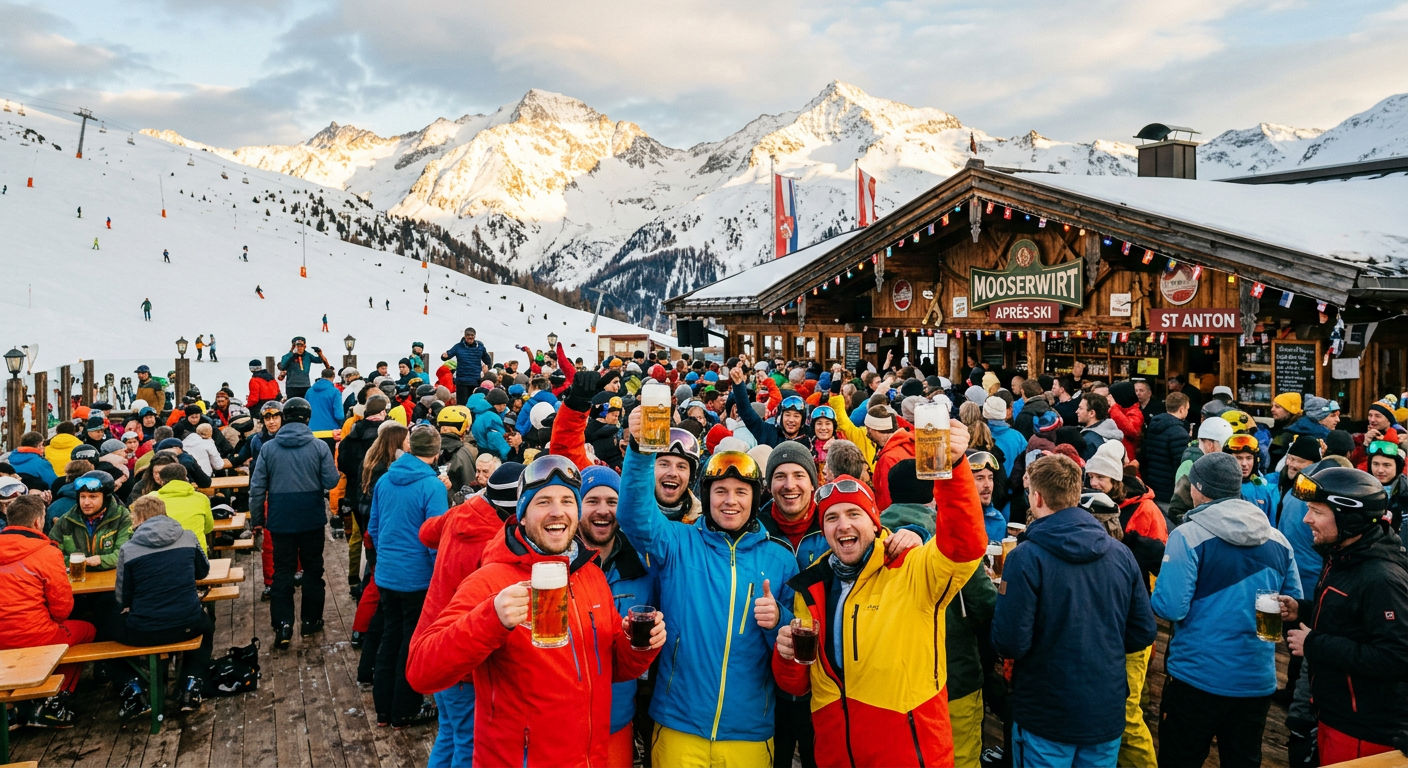
St. Anton am Arlberg is the undisputed capital of apres ski in Europe. The MooserWirt and Krazy Kanguruh — both accessible by skiing down to the village — are packed by 3:30pm with a crowd that treats the post-skiing hours with the same intensity as the morning's first tracks. Ischgl matches the energy with larger venues and international headline DJs during its annual winter concert series.
France: Courchevel and Megeve
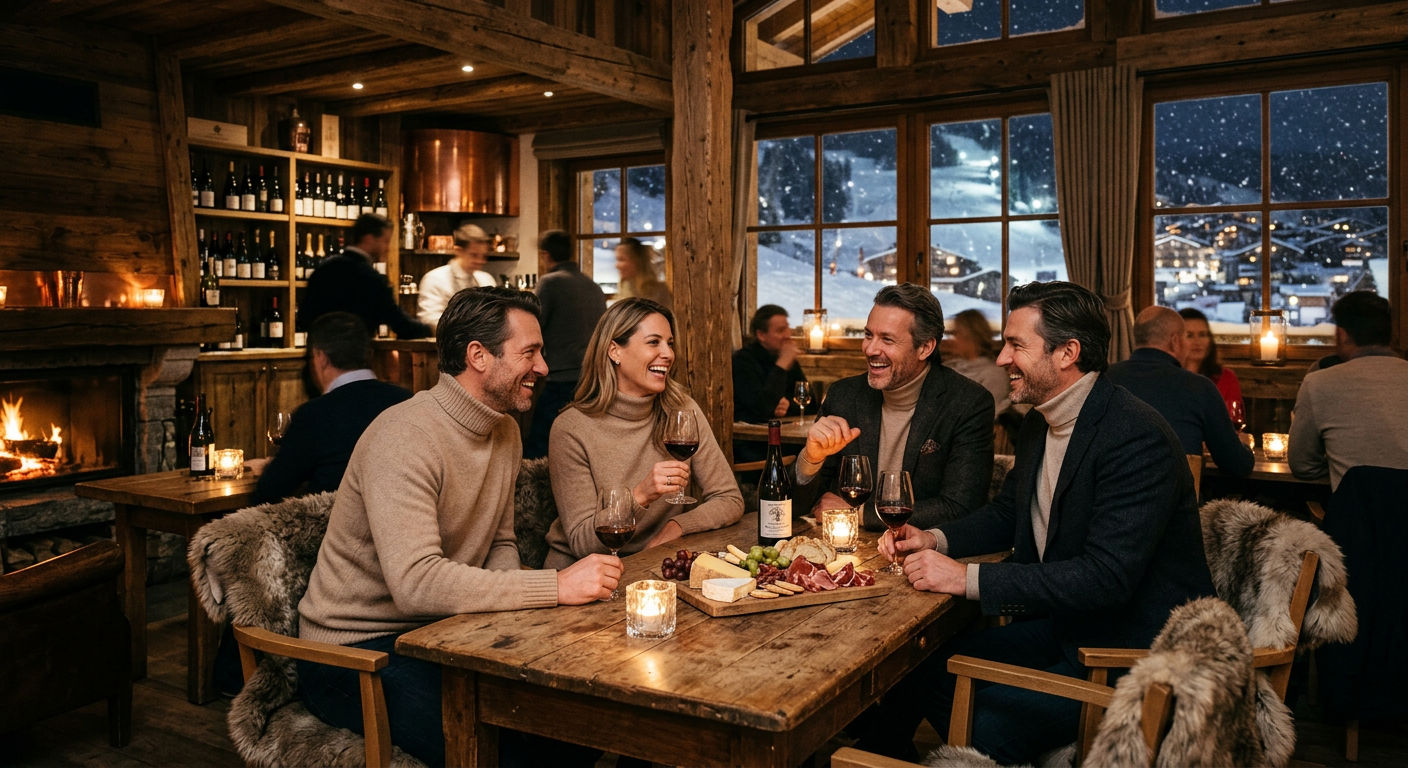
French apres ski trades volume for refinement. In Courchevel 1850, the terrace at Le Pilatus and the champagne bars along Rue des Chenus set a tone that is closer to a Parisian lounge than an Austrian beer hall. Megeve offers a village-scale alternative, with wine bars, patisseries, and the kind of considered dining that earned the town its Michelin stars.
Switzerland: Zermatt and Verbier
Zermatt pairs its apres ski with the Matterhorn — the Cervo bar's terrace, facing the peak directly, is one of the most photographed settings in Alpine skiing. Verbier attracts a younger, more international crowd, with Le Rouge and the Farinet providing venues that shift from afternoon terrace drinks to late-night dancing without losing the mountain atmosphere.
Best Apres Ski in North America
North American apres ski evolved independently from the European tradition, shaped by longer ski days, different drinking cultures, and the brewery boom of the past two decades. The result is a distinct character — less formalised, more casual, and increasingly sophisticated.
Aspen, Colorado
Aspen's apres ski reflects the town itself: polished, social, and aware of its own reputation. The Ajax Tavern at the base of Aspen Mountain is the starting point for most, with its terrace directly facing the Silver Queen Gondola. The town's walkability means apres ski bleeds naturally into dinner — from the tavern to the Limelight Hotel's lobby bar to one of several restaurants that would be noteworthy in any major city. Browse chalets in Aspen.
Whistler, British Columbia
Whistler-Blackcomb's scale — the largest ski area in North America — generates an equally scaled apres scene. The GLC and Longhorn in Whistler Village are the traditional gathering points, but the scene has diversified with the Bearfoot Bistro's vodka room, craft cocktail bars, and the Canadian tradition of outdoor hot tubs after a cold day on the mountain.
Park City, Utah
Park City's historic Main Street provides an unusually characterful setting for apres ski. The No Name Saloon, High West Distillery (the world's only ski-in distillery), and a collection of independent restaurants along Main Street create an apres experience rooted in the town's 1880s mining heritage rather than imported Alpine traditions.
Apres Ski Activities Beyond the Bar
While drinks are the backbone of apres ski culture, the tradition has expanded to include a wider range of activities — particularly in resorts that cater to families, non-drinkers, or guests seeking wellness-focused experiences.
| Activity | Best Resorts | Notes |
|---|---|---|
| Thermal baths | Leukerbad, Bormio, Banff | Natural hot springs, some dating to Roman times |
| Ice skating | Megeve, St. Moritz, Beaver Creek | Outdoor rinks in village centres |
| Horse-drawn sleigh rides | Zermatt, Kitzbuhel, Jackson Hole | Typically bookable through concierge |
| Spa and sauna | Verbier, Lech, Whistler | Many chalets include private spas |
| Winter hiking | Zermatt, Grindelwald, Banff | Cleared paths with mountain views |
| Fondue dinners | Verbier, Gruyeres, Megeve | Often in candlelit mountain huts |
| Gallery and shopping | St. Moritz, Aspen, Courchevel | High-end boutiques and art galleries |
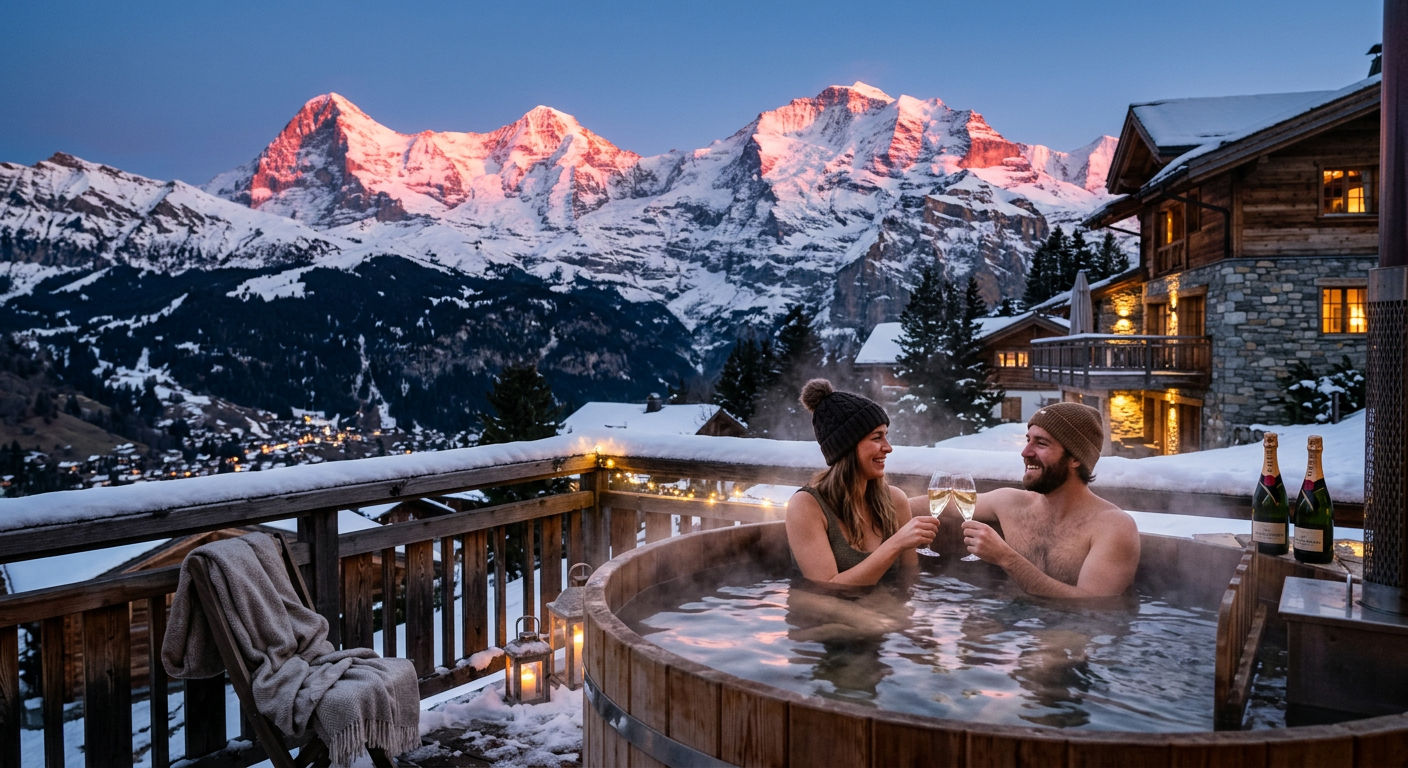
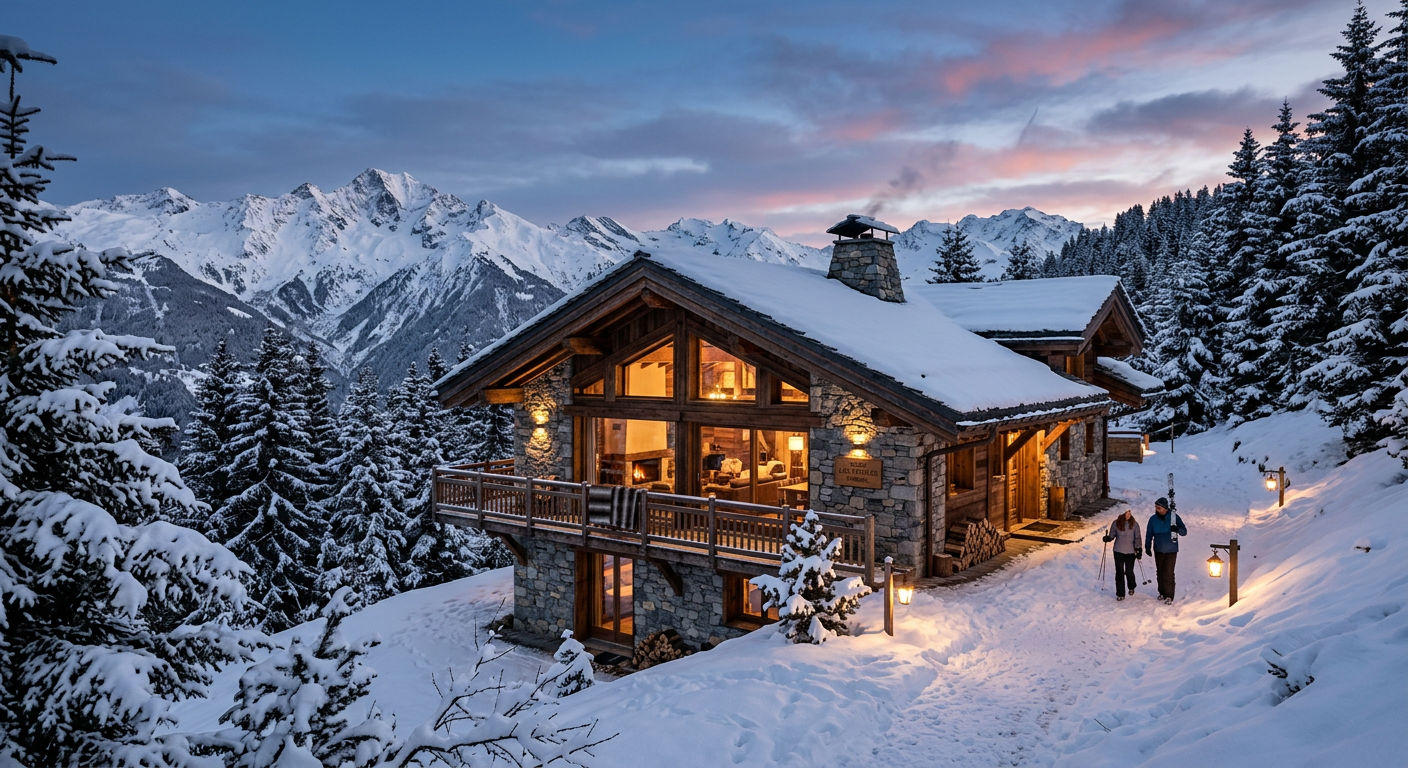
For those renting a private chalet, apres ski often begins at home — a hot tub on the terrace, a private chef preparing dinner, and the particular satisfaction of watching the alpenglow from your own balcony. This is where the apres ski experience becomes most personal, and where the choice of accommodation shapes the entire trip.
How to Plan Your Own Apres Ski Experience
The quality of your apres ski depends less on the resort's reputation and more on a few practical decisions: where you stay, what time you come off the mountain, and whether you prioritise energy or ease.
Timing matters. In European resorts, lifts typically close between 4pm and 4:30pm. The best apres ski terrace spots fill within 15 minutes of last chair. Plan your final run to end near the venue, not on the far side of the mountain.
Location is everything. Accommodation within walking distance of the village centre — or better, ski-in access to the main apres venues — eliminates the friction that kills spontaneity. A chalet 10 minutes from the piste means changing clothes, driving, finding parking, and arriving after the atmosphere has already peaked.
Know the local style. Austrian apres ski is participatory and loud. French apres ski rewards those who sit, observe, and order well. Swiss apres ski falls somewhere between. North American apres is the most casual — jeans and a flannel shirt are rarely out of place.
Discover Apres Ski at Its Finest
Powder Edition brings together design-forward chalets and ski-in residences in the Alps' finest apres ski destinations. Explore our collection in Courchevel, Verbier, Zermatt, or browse all destinations to find a property where the apres ski begins at your front door.
Frequently Asked Questions
What does apres ski mean in English?
Apres ski translates from French as "after skiing." In practice, it refers to the social activities — drinks, dining, music, spa, and socialising — that follow a day on the slopes. The tradition originated in the Austrian and Swiss Alps and has become a defining element of ski culture worldwide.
How do you pronounce apres ski?
Apres ski is pronounced "ah-PRAY skee." The stress falls on the second syllable of "apres," and the final "s" is silent, following standard French pronunciation. The word "ski" is pronounced the same as in English. In casual conversation, a slight anglicisation is common and perfectly acceptable.
Where is the best apres ski in the world?
St. Anton am Arlberg in Austria is widely considered the best apres ski destination in the world, with iconic venues like the MooserWirt and Krazy Kanguruh drawing crowds from mid-afternoon. For a more refined experience, Courchevel 1850 in France and Zermatt in Switzerland offer world-class apres with a different character. In North America, Aspen and Whistler lead the field.
What do you wear to apres ski?
Dress depends on the setting. At slope-side terraces immediately after skiing, ski gear and boots are standard. For village bars and restaurants, the norm shifts to smart-casual — layered knitwear, good boots, and something warmer than your base layer. In upscale French and Swiss resorts, the evening apres scene tends toward more polished attire.
Is apres ski only about drinking?
No. While drinks are central to the tradition, apres ski increasingly includes thermal spas, winter walks, fondue dinners, ice skating, shopping, and spa treatments. Many families and wellness-focused travellers build their apres ski around non-alcoholic activities. In resorts like Zermatt and Banff, natural hot springs provide an alternative anchor to the afternoon.
What is the difference between apres ski and nightlife?
Apres ski begins immediately after the lifts close, typically between 3pm and 6pm, and carries a distinct atmosphere tied to the day's skiing — sun-warmed, communal, and still in boots. Nightlife starts later in the evening and is broadly similar to nightlife anywhere. The best ski resorts maintain a clear transition between the two, though in towns like St. Anton and Verbier, one often flows into the other.