Ski Vacation Packages: How to Build the Perfect Trip Without Overpaying
Ski vacation packages promise simplicity: one price, one booking, everything handled. The reality is more nuanced. A well-structured ski vacation package — whether purchased as a bundle or assembled piece by piece — should cover accommodation, lift access, airport transfers, and ideally some dining or equipment rental. The best packages save both money and planning time. The worst lock you into mediocre lodging at inflated rates while omitting the elements that actually matter.
This guide breaks down what a ski vacation package should include, compares the major approaches to booking one, and identifies where the real value lies across resorts in the Alps and North America. Whether you prefer a curated all-inclusive experience or want to build your own itinerary from scratch, the principles are the same: know what each component costs individually, and only bundle when the discount or convenience justifies the trade-off.
What a Ski Vacation Package Should Include
A genuine ski vacation package covers five core elements: accommodation, lift passes, airport transfers, equipment rental, and at least partial board. Packages missing any of these require careful scrutiny — the "savings" often disappear once you add back the excluded items at full retail price.
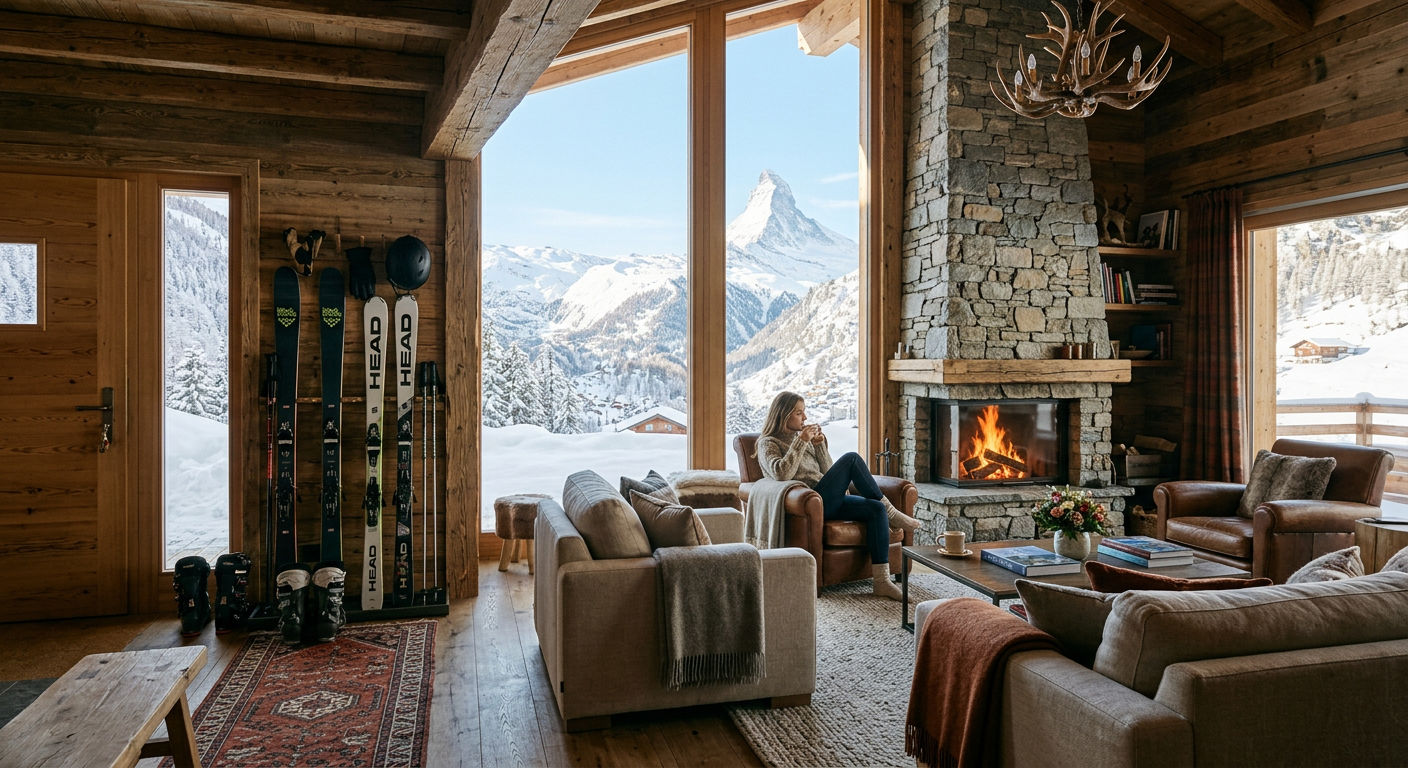
Accommodation is the largest single cost, typically 40–55% of a week's total spend. The quality gap between a slopeside chalet and a roadside hotel room ten minutes from the lifts defines the entire experience. Packages that advertise low headline prices often achieve them by downgrading this element first.
| Component | % of Total Cost | What to Check |
|---|---|---|
| Accommodation | 40–55% | Proximity to lifts, kitchen facilities, group size fit |
| Lift passes | 15–25% | Multi-day vs. flexible, area coverage, child rates |
| Transfers | 5–10% | Private vs. shared, door-to-door vs. hub pickup |
| Equipment rental | 5–10% | Demo-quality skis vs. basic fleet, boot fitting |
| Dining/catering | 10–20% | Half-board, catered chalet, or self-catering |
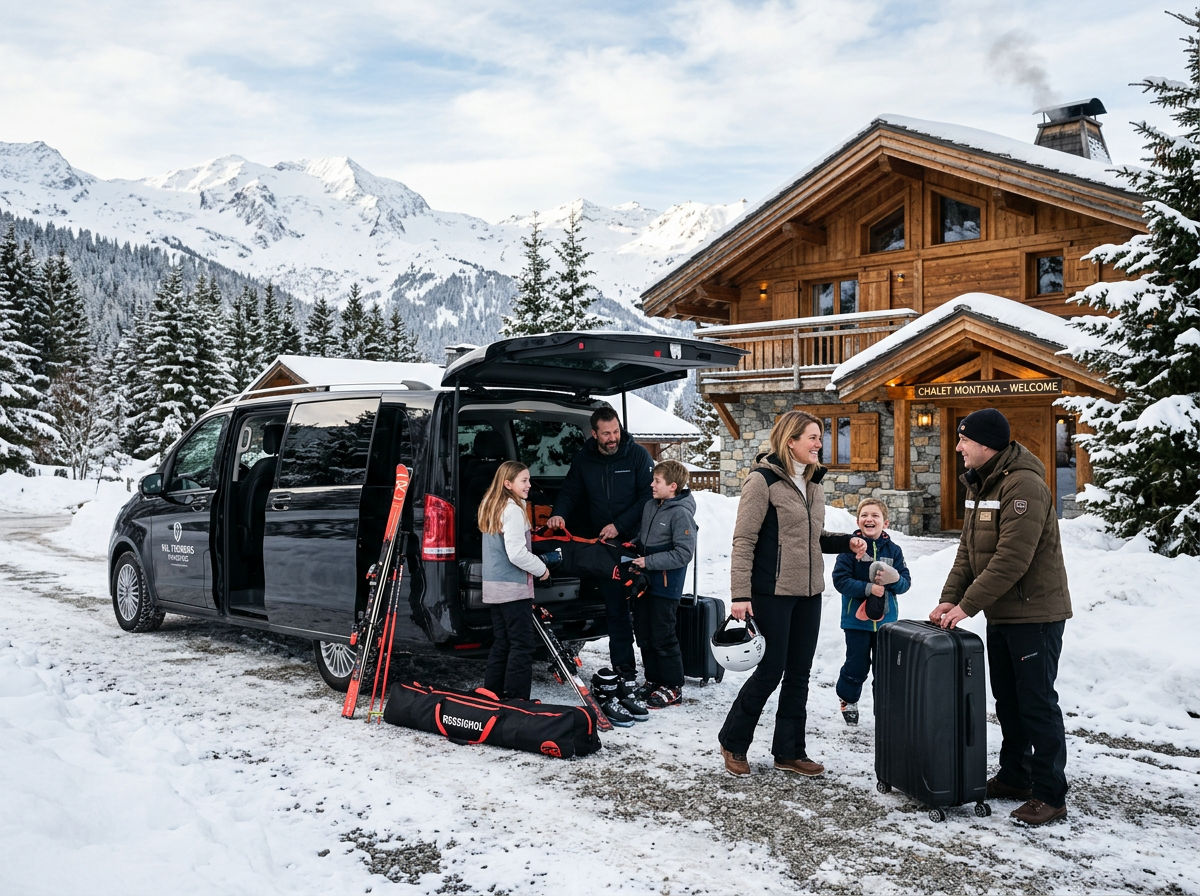
The most overlooked detail in package comparisons is what happens between the airport and the front door. A three-hour shared shuttle that stops at six hotels costs nothing — and feels like it. Private transfers from Geneva to chalets in Verbier take 90 minutes and start the holiday on arrival rather than in a car park.
Bundled Packages vs. Building Your Own
Tour operators and resort booking platforms offer two fundamentally different products under the "package" label, and understanding the distinction saves both money and frustration.
Bundled packages from operators like Crystal Ski, Inghams, or resort-specific booking platforms combine flights, transfers, accommodation, and lift passes into a single price. The advantages are genuine: group buying power on lift passes (often 10–15% below walk-up rates), guaranteed transfer logistics, and a single point of contact if something goes wrong. The drawbacks are equally real — limited accommodation choice, fixed travel dates, and dining arrangements that may not match your preferences.
Self-assembled packages give you full control over every element. You book accommodation directly (or through a curated platform), purchase lift passes separately, arrange your own transfers, and choose your own dining. This approach typically costs 5–15% more than an equivalent bundled package but delivers meaningfully better accommodation and flexibility.
The deciding factor is usually group size. Couples and small groups benefit most from bundled packages where the savings compound. Larger groups of six or more often find better value assembling their own trip — the per-person cost of a private chalet with catering frequently undercuts an equivalent hotel package once you factor in restaurant meals.
For families considering a curated self-assembled approach, explore properties across our collection to compare slopeside accommodation that operators rarely include in standard bundles.
Best Resorts for Package Value in the Alps
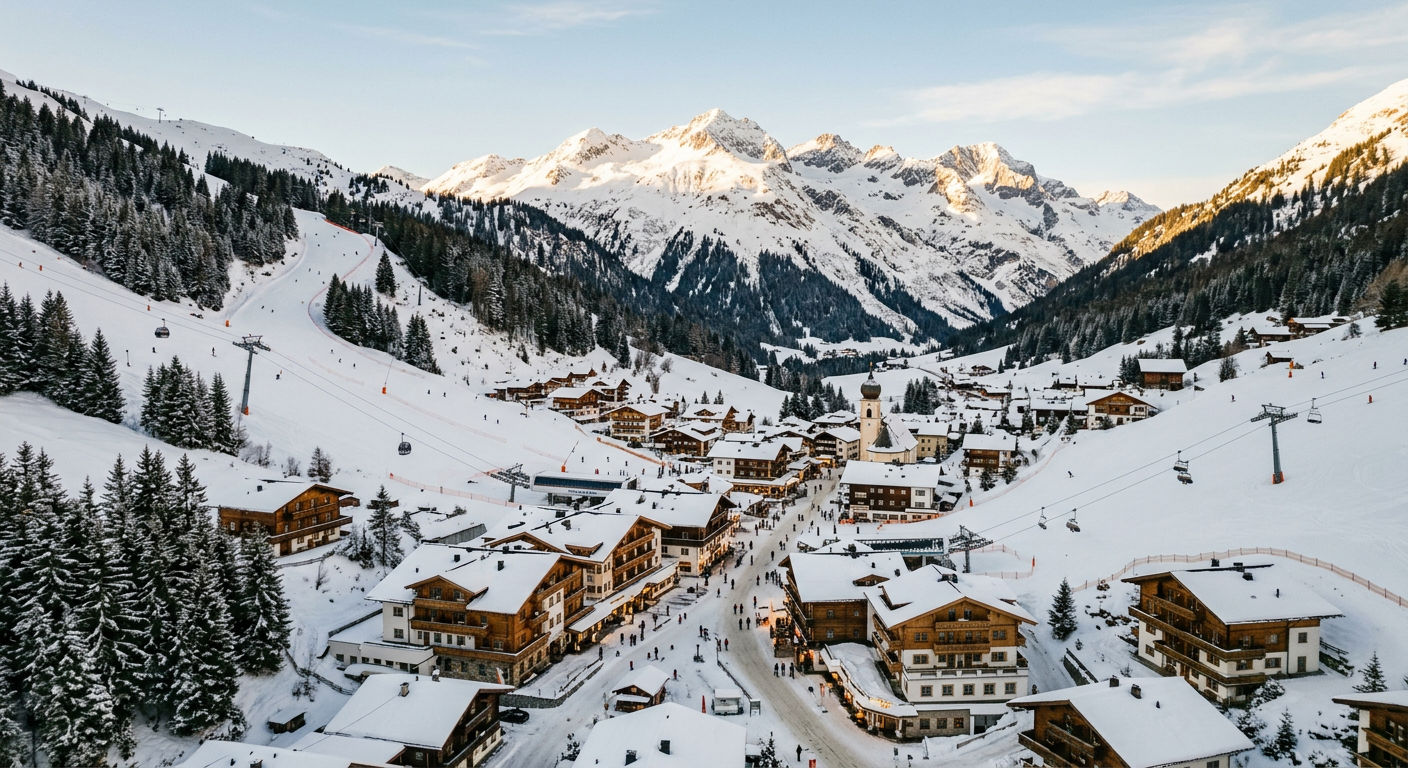
Not every resort delivers equal value in a package format. The Alps' interconnected lift systems create opportunities — and traps — that vary dramatically by destination.
Val Thorens and Les Menuires in the Trois Vallées offer the strongest package value in the French Alps. Both sit within the world's largest linked ski area (600km of pistes) but at significantly lower accommodation costs than neighbouring Courchevel or Méribel. A week in Val Thorens including accommodation, six-day Trois Vallées pass, and transfers from Geneva typically runs €1,800–2,400 per person — roughly 30% less than an equivalent package based in Courchevel 1850.
St. Anton am Arlberg represents the best value proposition in Austria. The ski area spans 305km of marked runs across St. Anton, Lech, Zürs, and Warth-Schröcken on a single Ski Arlberg pass. Austrian packages consistently include half-board (breakfast and dinner), which adds genuine value — particularly given that on-mountain dining in Austria averages €15–20 per lunch versus €25–40 in French resorts.
| Resort | Typical Week Package (per person) | Ski Area | Transfer Time |
|---|---|---|---|
| Val Thorens | €1,800–2,400 | 600km (Trois Vallées) | 2.5h from Geneva |
| St. Anton | €1,600–2,200 | 305km (Ski Arlberg) | 1.5h from Innsbruck |
| Cervinia | €1,400–1,900 | 360km (Matterhorn Ski Paradise) | 2h from Turin |
| Serre Chevalier | €1,200–1,700 | 250km | 2h from Turin |
Cervinia in Italy remains the Alps' best-kept package secret. Connected to Zermatt via the Matterhorn Ski Paradise, the Italian side offers the same high-altitude terrain at roughly half the Swiss price point. A week's package including accommodation, six-day international pass, and transfers from Turin averages €1,400–1,900 per person.
Best Resorts for Package Value in North America
North American ski vacation packages operate differently from European models. The lift pass dominates total cost — an Ikon or Epic pass purchased in advance can halve the daily skiing expense — and accommodation clusters around distinct price tiers.
Breckenridge, Colorado offers the strongest overall package value among major destination resorts. Its position on the Epic Pass network means multi-day lift access costs €45–65/day (versus €90+ at walk-up rates), and the town's deep accommodation inventory — from slope-adjacent condos to downtown hotels — creates genuine competition that keeps prices moderate. A week in Breckenridge including flights, accommodation, and lift pass typically runs $2,500–3,500 per person from the East Coast.
Banff, Canada delivers exceptional package value because the Tri-Area lift pass covers Lake Louise, Sunshine Village, and Mt. Norquay at roughly 60% of the cost of a comparable multi-resort pass in Colorado or Utah. The Canadian dollar advantage adds another 25–30% saving for US and European visitors. Packages from Calgary (90-minute transfer) including accommodation in Banff town, six-day Tri-Area pass, and transfers average CAD 2,800–3,800 per person.
For skiers willing to trade marquee names for superior snow and lower costs, Revelstoke, British Columbia and Jackson Hole, Wyoming represent the frontier of package value — serious terrain at prices that haven't caught up with reputation.
All-Inclusive Ski Packages: When They Make Sense
All-inclusive ski vacation packages — where accommodation, meals, lift passes, equipment, lessons, and sometimes childcare are bundled into a single rate — suit specific traveller profiles better than others. The format works when predictable budgeting matters more than flexibility, and when the resort's all-inclusive infrastructure is genuinely comprehensive rather than bolted on.
Club Med operates the most established all-inclusive ski model, with resorts in Val Thorens, Tignes, Pragelato (near Sestriere), and Grand Massif. Their packages include accommodation, full board with wine, group ski lessons, lift passes, and children's clubs. A week in peak season runs €2,500–3,500 per person — competitive when you account for the included meals, lessons, and childcare that would cost €800–1,200 separately.
All-inclusive makes the most financial sense for:
- Families with children under 12 — ski school and childcare costs compound rapidly
- Groups of mixed ability — beginners benefit from included lessons while advanced skiers simply use the lift pass
- First-time ski travellers — removes the cognitive load of pricing every element separately
The format makes less sense for experienced skiers who want to choose their own restaurants, ski at their own pace, and stay in accommodation with character rather than chain-hotel uniformity.
How to Compare Packages Without Getting Misled
The headline price of a ski vacation package obscures more than it reveals. Two packages advertising "€1,999 per person, all-inclusive" can differ by €500 or more once you account for what each actually includes. A systematic comparison requires checking seven specific details.
- Lift pass scope — Does the pass cover the full linked area or just the home resort? A Méribel-only pass versus a Trois Vallées pass represents a €100+ difference per week.
- Transfer type — Shared coach, private minibus, or self-arrange? The gap between shared and private transfer for a family of four from Geneva to a Tarentaise resort is €200–400.
- Accommodation category — Star ratings are unreliable across countries. Check the actual distance to lifts, whether there's a kitchen, and whether the property fits your group without spare beds or wasted rooms.
- Meal inclusion — Half-board (breakfast and dinner) saves €30–50 per person per day versus eating out. Self-catering saves more but requires a functional kitchen and nearby shops.
- Equipment quality — Basic rental packages provide last-season skis in generic sizes. Performance or demo packages offer current-year equipment with proper boot fitting — a €10–15/day upgrade that transforms the on-snow experience.
- Cancellation terms — Flexible cancellation adds €50–150 to a package but protects a €2,000+ investment against injury, illness, or poor snow.
- Hidden supplements — Single-room supplements, peak-week surcharges, resort taxes, and tourist levies often appear after the headline price. Ask for the total inclusive cost before comparing.
When to Book for the Best Rates
Timing determines whether you pay full price or secure genuine savings. Ski vacation package pricing follows predictable seasonal patterns that reward planning.
| Booking Window | Typical Saving | Trade-off |
|---|---|---|
| 6–9 months ahead (May–Aug) | 15–25% early-bird discount | Limited flexibility to change dates |
| 3–5 months ahead (Sep–Nov) | 5–10% standard pricing | Best selection of accommodation |
| 6–12 weeks ahead (Dec–Jan) | Full price, peak demand | Limited availability, especially school holidays |
| 2–4 weeks ahead | Potential last-minute deals (10–30%) | Very limited choice, risk of sellout |
Early-bird pricing (May through August for the following winter) consistently offers the best value for school-holiday weeks — Christmas, February half-term, and Easter. Operators release their packages 8–10 months ahead and discount heavily to secure early cash flow. Savings of 15–25% on identical packages are common.
Shoulder-season weeks — early December, January (excluding New Year), and late March — offer the best combination of lower prices, good snow, and available inventory without requiring early booking. These weeks suit couples and groups without school-age children.
For travellers considering the 2026/27 season, now is the window for early-bird rates on peak weeks across the Alps and Rockies.
Destination CTA
Powder Edition curates ski-in ski-out chalets and considered mountain properties across the Alps and North America — the accommodation that defines a great ski vacation. Explore chalets in Courchevel, browse properties in Zermatt, or view our full collection.
Frequently Asked Questions
What is typically included in a ski vacation package?
A standard ski vacation package includes accommodation, multi-day lift passes, and airport transfers. Better packages add equipment rental, half-board or full-board dining, and ski school. All-inclusive packages bundle lessons, childcare, and full meals with wine. The key difference between budget and premium packages is accommodation quality and transfer type — shared coach versus private vehicle.
Are ski vacation packages cheaper than booking separately?
Bundled ski vacation packages from tour operators typically cost 5–15% less than booking each element individually, with the largest savings on lift passes (10–15% below walk-up rates) and transfers. However, self-assembled trips allow better accommodation choices. Groups of six or more often find that a private catered chalet plus separate lift passes costs less per person than an equivalent hotel-based package.
When is the cheapest time to book a ski vacation package?
Early-bird bookings made 6–9 months before the season (May through August) offer 15–25% discounts on the following winter. January weeks (excluding New Year) and late March offer the lowest in-season prices — typically 20–30% below Christmas and February half-term rates. Last-minute deals (2–4 weeks out) can save 10–30% but with very limited accommodation choice.
What are the best resorts for all-inclusive ski packages?
Val Thorens, St. Anton, and Cervinia offer the strongest package value in Europe — combining large ski areas with moderate accommodation costs. Club Med operates dedicated all-inclusive resorts in Val Thorens, Tignes, and Grand Massif. In North America, Breckenridge and Banff deliver the best overall package value due to multi-resort passes and competitive accommodation markets.
Should I buy an Ikon or Epic pass or book a resort package?
For North American ski trips of five days or more, purchasing a season pass (Ikon or Epic, typically $600–900 if bought by early December) almost always costs less than daily lift tickets included in packages. The pass covers unlimited days at partner resorts across the continent. Combine a season pass with separately booked accommodation and transfers for maximum value and flexibility.
How do European ski packages differ from North American ones?
European ski packages typically include half-board dining (breakfast and dinner), which is less common in North American packages. European resorts also offer multi-resort area passes covering interconnected ski domains — one pass for 600km of terrain in the Trois Vallées, for instance. North American packages tend to focus on a single resort but benefit from season-pass networks (Epic, Ikon) that offer better per-day lift access value.