Ski Vacation in Aspen Colorado: A Considered Guide to Four Mountains and One Town
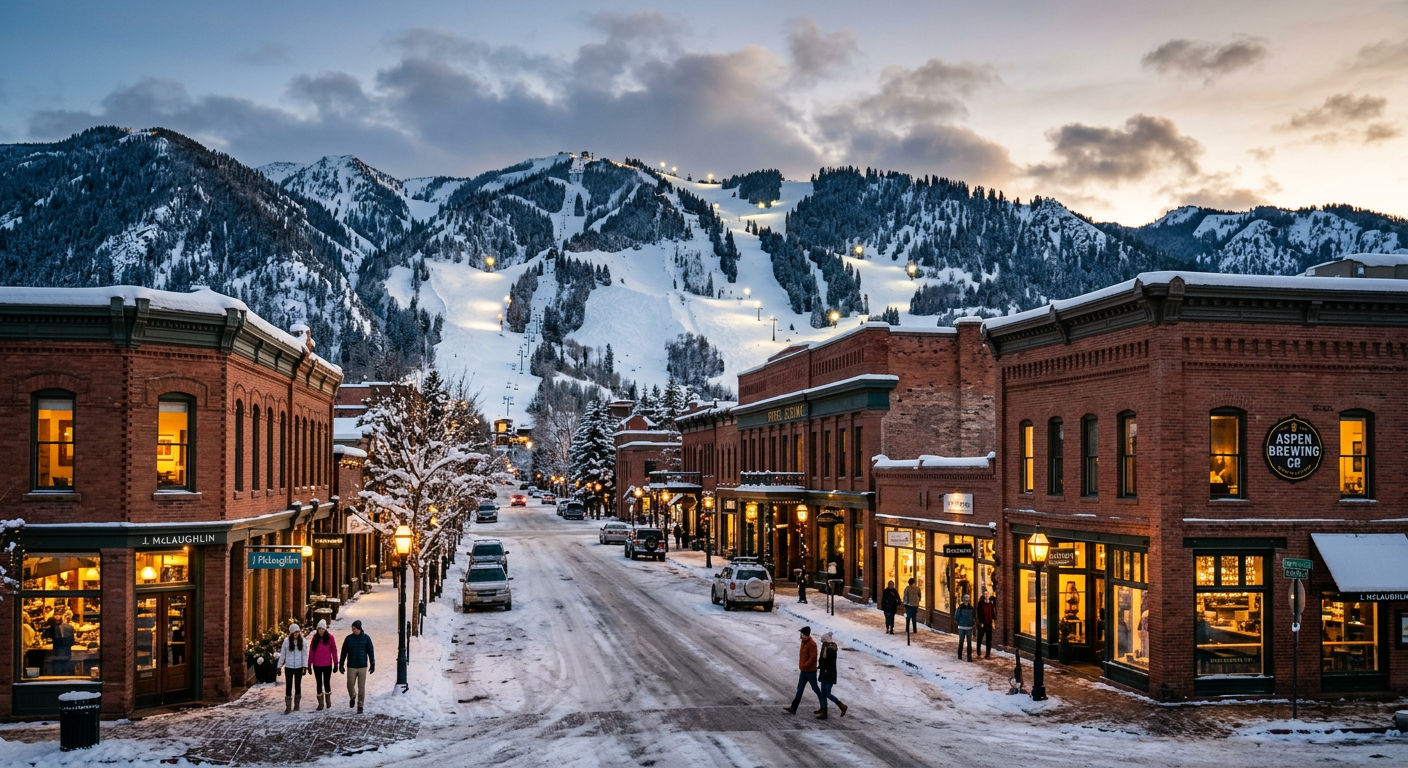
A ski vacation in Aspen Colorado delivers something most mountain destinations cannot: four distinct ski areas — Aspen Mountain, Aspen Highlands, Buttermilk, and Snowmass — accessible on a single lift ticket, combined with a town that functions as a genuine cultural centre rather than a base-area afterthought. With 5,527 acres of skiable terrain, an average of 300 inches of annual snowfall, and a downtown lined with galleries, restaurants, and a world-class concert hall, Aspen justifies its reputation as the most complete ski destination in North America.
This guide covers the practical decisions that shape a great Aspen ski vacation: which mountain to ski when, how to time your trip, where to stay, what it costs, and the experiences beyond the lifts that elevate a week here into something memorable.
Four Mountains, One Lift Ticket: Choosing the Right Terrain
Aspen Snowmass is not one resort but four, each with a distinct personality and terrain profile. A single Ikon Pass or Aspen Snowmass lift ticket grants access to all four — and understanding which mountain suits which day is the key to getting the most from the terrain.
Aspen Mountain (Ajax)
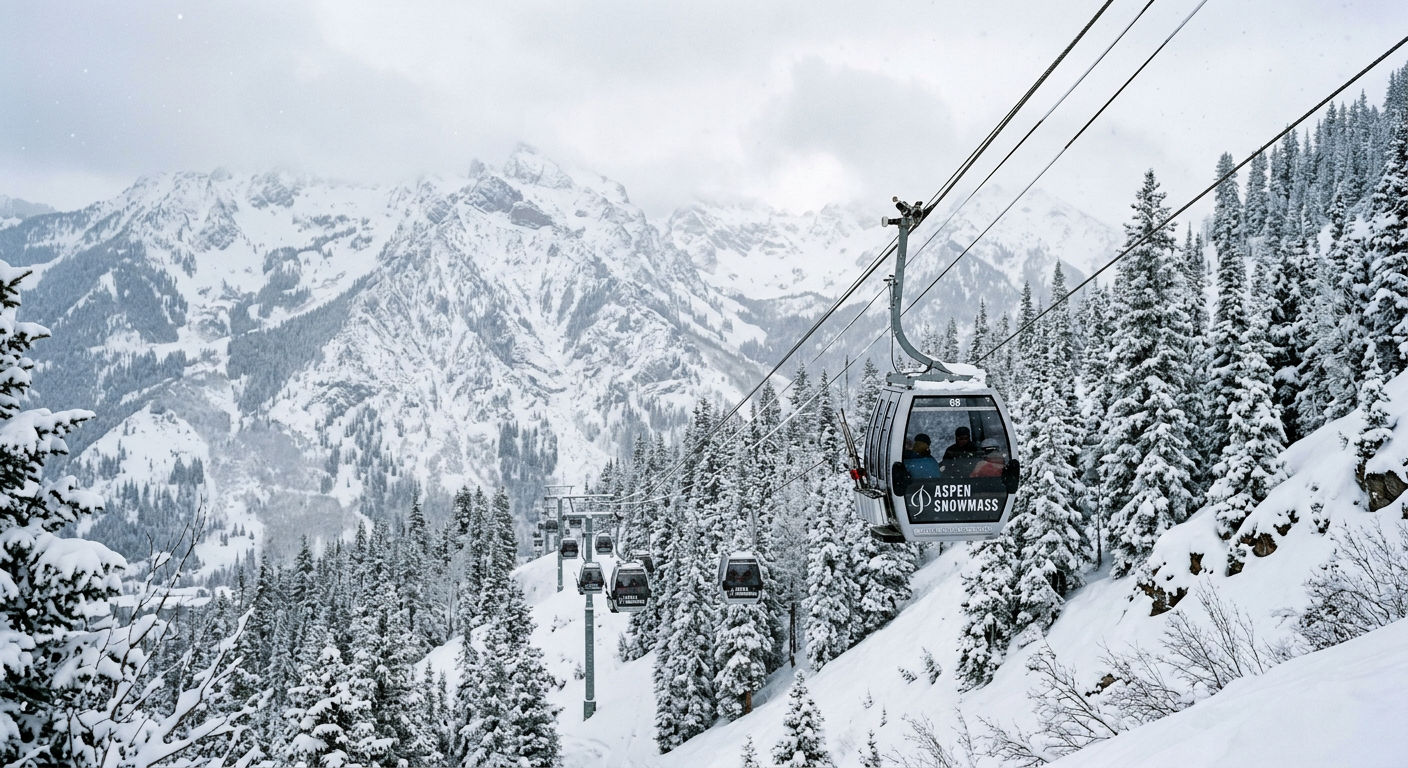
Aspen Mountain — locals call it Ajax — rises directly above town. There are no beginner runs. Every trail is intermediate or advanced, which keeps the mountain uncrowded and rewards confident skiers with steep glades, mogul fields, and the famous Silver Queen Gondola that delivers 3,267 vertical feet in 14 minutes. Ajax is where you ski when you want challenge and convenience in equal measure.
- Vertical drop: 3,267 feet
- Skiable acres: 675
- Trails: 76 (48% advanced, 26% expert, 26% intermediate)
- Base elevation: 7,945 feet / Summit: 11,212 feet
Aspen Highlands
Aspen Highlands is the locals' mountain — and for good reason. The Highland Bowl, a 12,392-foot hike-to peak accessible by bootpacking from the top of the Loge Peak Lift, offers some of the most demanding and rewarding inbounds terrain in North America. Below the bowl, the mountain provides excellent intermediate cruising and tree skiing with significantly shorter lift lines than Ajax.
- Vertical drop: 3,635 feet (longest in the Aspen area)
- Skiable acres: 1,040
- Trails: 144
- Notable: Highland Bowl — 45-minute bootpack for 800+ vertical feet of powder

Buttermilk
Buttermilk is purpose-built for beginners and families. Wide, gentle groomers and a dedicated learning area make it one of the best places to learn to ski in Colorado. It also hosts the Winter X Games each January, which means the terrain park infrastructure is among the finest anywhere. Do not dismiss Buttermilk because of its beginner reputation — the Tiehack side offers genuinely enjoyable intermediate runs.
- Vertical drop: 2,030 feet
- Skiable acres: 470
- Trails: 44
- Best for: First-time skiers, families, terrain park riders
Snowmass
Snowmass is the big one. With 3,362 skiable acres — more than the other three mountains combined — and a 4,406-foot vertical drop (the second-largest in the US after Jackson Hole), Snowmass is where you go for all-day exploration. The terrain spans everything from gentle family runs off the Elk Camp Gondola to challenging steeps in the Hanging Valley Glades. Snowmass Village at the base provides its own accommodation, dining, and a pedestrian mall.
- Vertical drop: 4,406 feet
- Skiable acres: 3,362
- Trails: 238
- Lifts: 21 (including two high-speed gondolas)
| Mountain | Acres | Vertical (ft) | Beginner | Intermediate | Advanced | Best For |
|---|---|---|---|---|---|---|
| Aspen Mountain | 675 | 3,267 | 0% | 26% | 74% | Strong intermediates and experts |
| Aspen Highlands | 1,040 | 3,635 | 18% | 30% | 52% | Locals, powder seekers |
| Buttermilk | 470 | 2,030 | 35% | 39% | 26% | Beginners, families, park riders |
| Snowmass | 3,362 | 4,406 | 6% | 47% | 47% | Everyone — the all-rounder |
If you are exploring chalets in Aspen, consider which mountain sits closest to your accommodation. Properties near downtown Aspen offer gondola access to Ajax, while Snowmass Village lodging puts you at the base of the largest ski area.
When to Plan Your Aspen Ski Vacation
Aspen's ski season typically runs from late November through mid-April, but conditions and crowd levels vary dramatically across those months.
December (Holiday Period): The town fills from Christmas through New Year's. Expect premium pricing, lively social scene, and variable early-season snow. Book accommodation 6–12 months ahead for this window.
January: Post-holiday calm with reliable cold temperatures and building snowpack. January offers the best balance of good snow and manageable crowds. The Winter X Games at Buttermilk (typically late January) bring energy without overwhelming the other three mountains.
February (Presidents' Week): The second-busiest period after Christmas. Strong snow conditions but crowded lifts, particularly at Ajax and Snowmass. If travelling with a family, browse family-friendly properties in the Aspen area to secure availability early.
March: The sweet spot for many visitors. Longer days, warm sunshine, stable snowpack, and thinning crowds. Spring conditions typically begin mid-March at lower elevations while the upper mountain holds winter snow.
April: Late-season skiing on the upper mountain. Aspen Mountain often closes around the second or third weekend of April, Snowmass a week earlier. Highland Bowl can hold snow into late April in good years.
| Month | Snow Quality | Crowds | Pricing | Best For |
|---|---|---|---|---|
| December | Variable, building | Very high (holidays) | Peak | Social scene, holiday atmosphere |
| January | Cold, reliable | Low–moderate | Mid-season | Value seekers, serious skiers |
| February | Peak depth | High (school breaks) | High | Families on school holiday |
| March | Stable, spring transition | Moderate | Moderate | Best overall conditions-to-crowds ratio |
| April | Spring corn, upper mountain | Low | Value | Late-season devotees |
Where to Stay: Aspen Town vs. Snowmass Village
The accommodation decision in Aspen comes down to two distinct bases, each with a different character.
Aspen Town
Downtown Aspen is a real town — not a resort village engineered around a base area. Victorian-era buildings house restaurants, galleries, and shops along a walkable grid. The Silver Queen Gondola to Aspen Mountain departs from the edge of downtown. Free shuttle buses connect to Highlands, Buttermilk, and Snowmass (25 minutes).
Staying in town suits skiers who want cultural richness, dining variety, and nightlife after the lifts close. The trade-off is that reaching Snowmass or Buttermilk requires a bus ride.
Snowmass Village
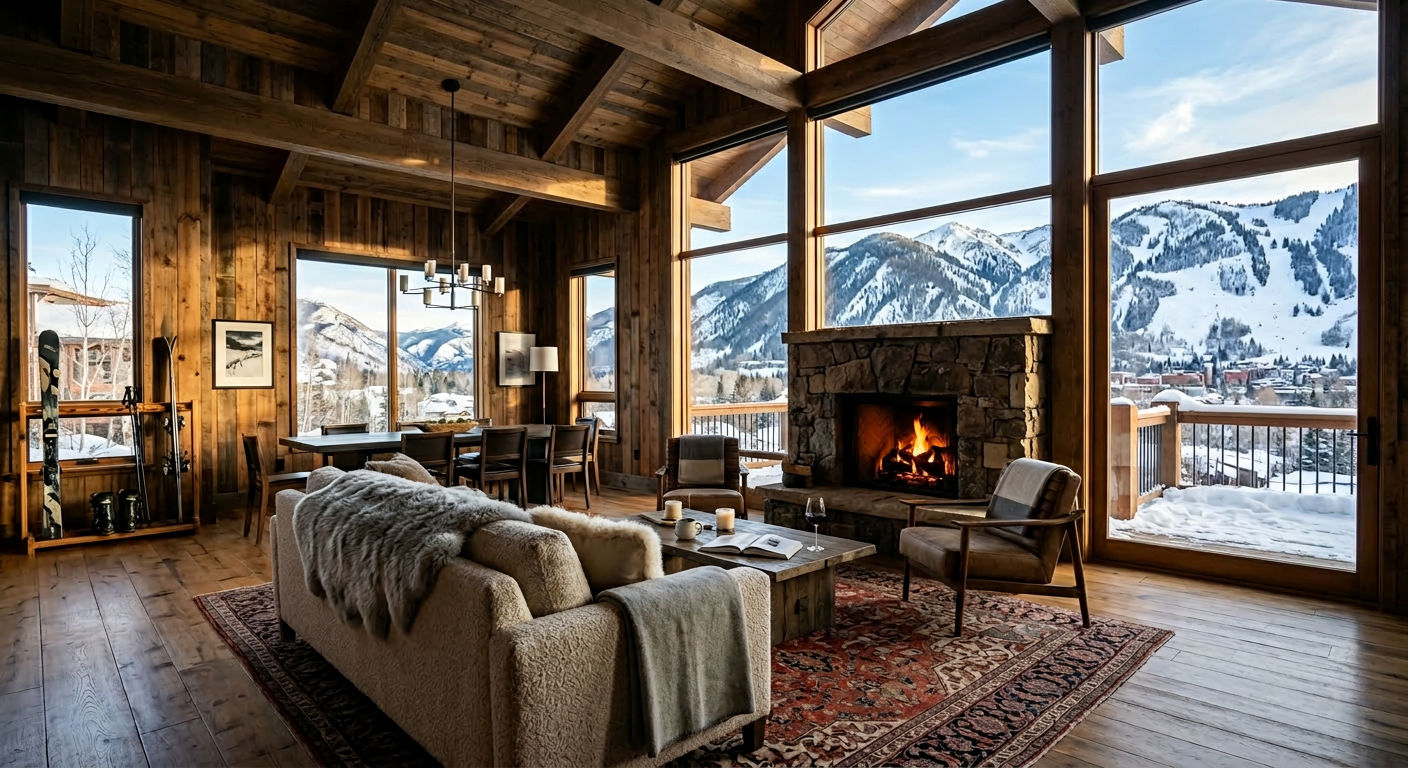
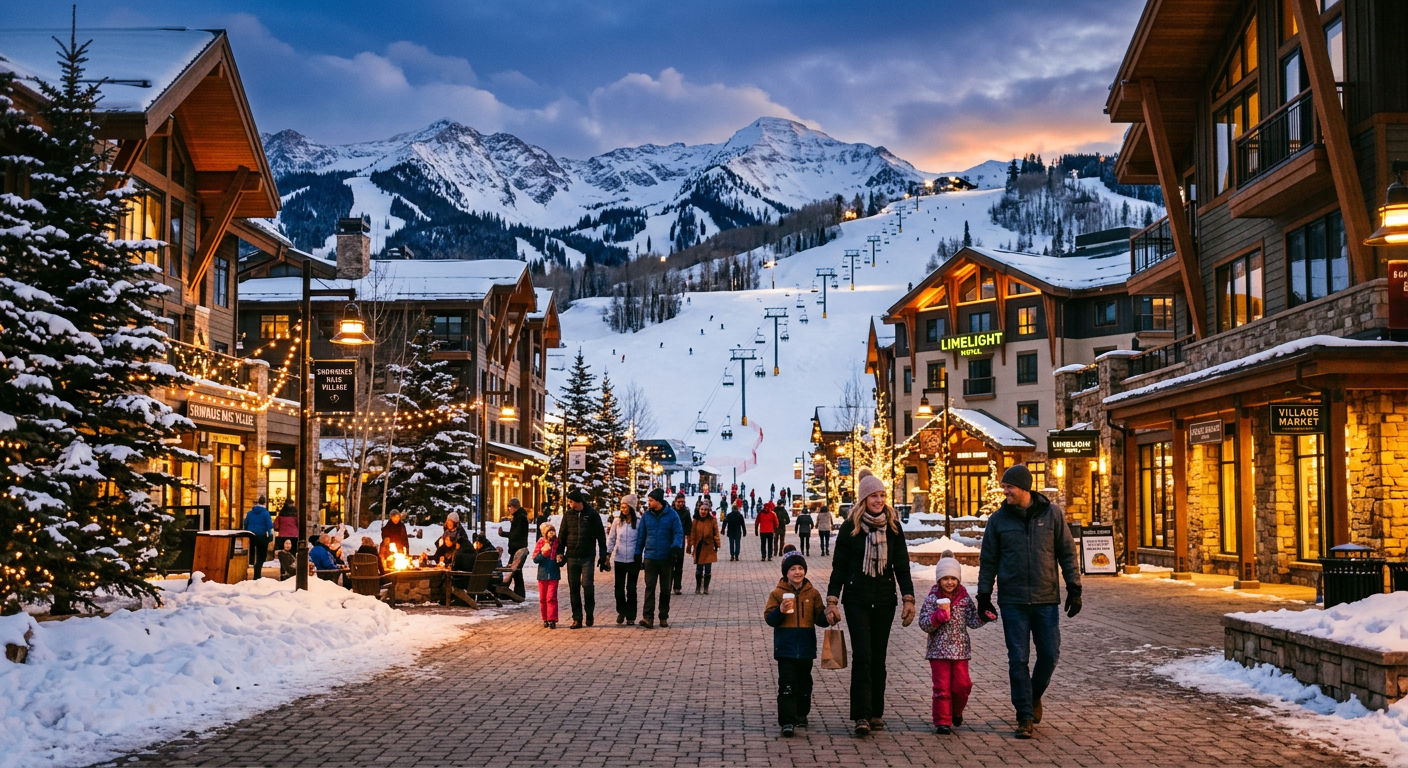
Snowmass Village sits at the base of Snowmass mountain, 15 minutes from Aspen by free shuttle. It is quieter, more family-oriented, and offers genuine ski-in ski-out access from many properties. The Snowmass Base Village has been significantly redeveloped, adding new restaurants, an ice rink, and retail. For families or skiers who want to maximise time on Snowmass's 3,362 acres, the village is the more practical base.
| Factor | Aspen Town | Snowmass Village |
|---|---|---|
| Ski-in/out to | Aspen Mountain (gondola walk) | Snowmass (direct) |
| Dining options | 80+ restaurants | 15–20 restaurants |
| Nightlife | Strong | Limited |
| Family friendliness | Good | Excellent |
| Shuttle to other mountains | Yes (free RFTA) | Yes (free RFTA) |
| Typical weekly chalet cost | $8,000–$40,000+ | $5,000–$25,000+ |
What a Ski Vacation in Aspen Actually Costs
Aspen has earned its reputation as one of the more expensive ski destinations in North America, but understanding where the money goes helps with planning.
Lift tickets: A single-day Aspen Snowmass ticket runs approximately $219–$279 depending on the date (2025/26 season). Multi-day tickets reduce the per-day cost. The Ikon Pass ($1,359 for the full version) pays for itself in roughly five days and covers other resorts nationwide.
Accommodation: Aspen's rental market spans from $300/night condos to $10,000+/night private chalets. A well-appointed 3-bedroom home in Aspen's West End typically ranges from $1,200–$3,500/night in peak season. Snowmass Village runs 25–40% less for comparable quality.
Dining: Budget $80–$150 per person per day for restaurant meals. A considered dinner at a place like Element 47 or Matsuhisa runs $150–$300 per head. Grocery delivery to a rental property can reduce this significantly.
Equipment rental: Premium demo packages run $75–$100/day. Book ahead through shops like Four Mountain Sports (owned by the resort, with on-mountain swap options) or independents like Incline Ski & Board.
Airport transfer: Aspen/Pitkin County Airport (ASE) sits 4 miles from downtown — one of the shortest airport-to-slopes transfers in the Rockies. Denver International Airport (DEN) is a 4-hour drive or 70-minute flight.
| Cost Category | Budget | Mid-Range | Premium |
|---|---|---|---|
| Accommodation (7 nights) | $2,500 | $8,000 | $25,000+ |
| Lift tickets (6 days) | $810 (Ikon Pass value) | $1,200 | $1,600 |
| Dining (7 days, 2 people) | $700 | $1,500 | $3,500+ |
| Equipment rental (6 days) | $300 | $500 | $600 |
| Flights + transfer | $500 | $800 | $1,500+ |
| Weekly total (2 people) | $4,810 | $12,000 | $32,200+ |
Beyond the Slopes: What Makes Aspen Different
Aspen's distinction among ski towns is that the off-slope experience stands on its own. This is not a place where the town exists merely to service the mountain.
Cultural infrastructure: The Wheeler Opera House hosts live performances year-round. The Aspen Art Museum, designed by Shigeru Ban, is a genuinely significant building housing rotating contemporary exhibitions. The Aspen Institute hosts public lectures and panels throughout winter. No other ski town in North America offers this depth of cultural programming.
Dining: Aspen's restaurant scene operates at a level typically associated with major cities. The town supports 80+ restaurants across a range of cuisines — from the refined Japanese of Matsuhisa to the casual excellence of White House Tavern. The food alone justifies non-skiing days.
Hot springs: The historic Hotel Jerome (opened 1889) anchors the town's social life. For a day off the mountain, the Glenwood Hot Springs — the world's largest hot springs pool — is a 40-minute drive down the valley.
Getting to Aspen: Flights and Transfers
Aspen is served by two airports, each with trade-offs.
Aspen/Pitkin County Airport (ASE): Direct flights from Denver, Los Angeles, Dallas, Houston, Chicago, and San Francisco during ski season. The airport is 4 miles from downtown — a 10-minute drive. The catch: ASE sits in a narrow valley at 7,838 feet, and weather-related cancellations or diversions occur more frequently than at lower-elevation airports. Always have a backup plan.
Eagle County Regional Airport (EGE): Serves Vail and Beaver Creek, located 70 miles from Aspen (approximately 90 minutes by car). More reliable in poor weather and offers additional flight options. A reasonable alternative if ASE flights are unavailable or prohibitively expensive.
Denver International Airport (DEN): The failsafe option. DEN is 220 miles from Aspen (4 hours by car in good conditions, longer in winter weather via Independence Pass closure — I-70 and Highway 82 via Glenwood Springs adds 30 minutes). Private transfers and shuttle services like Colorado Mountain Express operate daily.
Plan Your Aspen Ski Vacation
Powder Edition brings together a curated collection of rental properties across Aspen and Snowmass — from ski-in residences at Snowmass Village to historic homes within walking distance of the Silver Queen Gondola. Explore our Aspen collection or browse all ski destinations to find the right fit for your trip.
Frequently Asked Questions
How many ski resorts does Aspen have?
Aspen Snowmass encompasses four separate ski areas: Aspen Mountain (Ajax), Aspen Highlands, Buttermilk, and Snowmass. All four operate under a single lift ticket or Ikon Pass, offering a combined 5,527 skiable acres — more than any other multi-mountain system in Colorado.
What is the best month for a ski vacation in Aspen?
January and March offer the strongest combination of snow conditions and manageable crowds. January provides cold temperatures and building snowpack with post-holiday quiet. March delivers longer days, warm sunshine, and stable snow while most school holidays have passed. The Christmas-to-New Year period and Presidents' Week in February are the most crowded and expensive windows.
How much does an Aspen ski vacation cost?
A week-long Aspen ski vacation for two people typically costs $5,000–$12,000 at a mid-range level, covering accommodation, lift tickets, dining, and equipment rental. Premium experiences with private chalet accommodation can exceed $30,000. The Ikon Pass ($1,359) reduces lift ticket costs significantly for trips of five days or longer.
Is Aspen good for beginner skiers?
Buttermilk is one of Colorado's finest beginner mountains, with wide gentle runs and a dedicated learning area. Snowmass also offers excellent beginner and intermediate terrain across its 3,362 acres. Aspen Mountain (Ajax) has no beginner runs and is not suitable for first-time skiers. Families with mixed abilities can split between mountains using the free shuttle system.
How do you get to Aspen Colorado?
Aspen/Pitkin County Airport (ASE) receives direct flights from Denver, Los Angeles, Dallas, Houston, Chicago, and San Francisco during ski season. The airport is just 4 miles from downtown. Eagle County Airport (EGE) near Vail is a 90-minute drive alternative. Denver International Airport is 4 hours away by car via I-70 and Highway 82.
What is the difference between Aspen and Snowmass?
Aspen town and Snowmass Village are separate bases connected by a free 25-minute shuttle. Aspen town offers cultural richness, 80+ restaurants, and gondola access to Aspen Mountain. Snowmass Village is quieter, more family-oriented, and provides direct ski-in ski-out access to the largest of the four mountains (3,362 acres). Many visitors ski both but base themselves at one.